Today I Learned
Meguro Parasitological Museum: Tokyo's Museum of Parasites
Tokyo's Meguro Parasitological Museum has an 8.8-metre tapeworm and a scientific purpose. Plan a free visit with hours, access and photography rules.
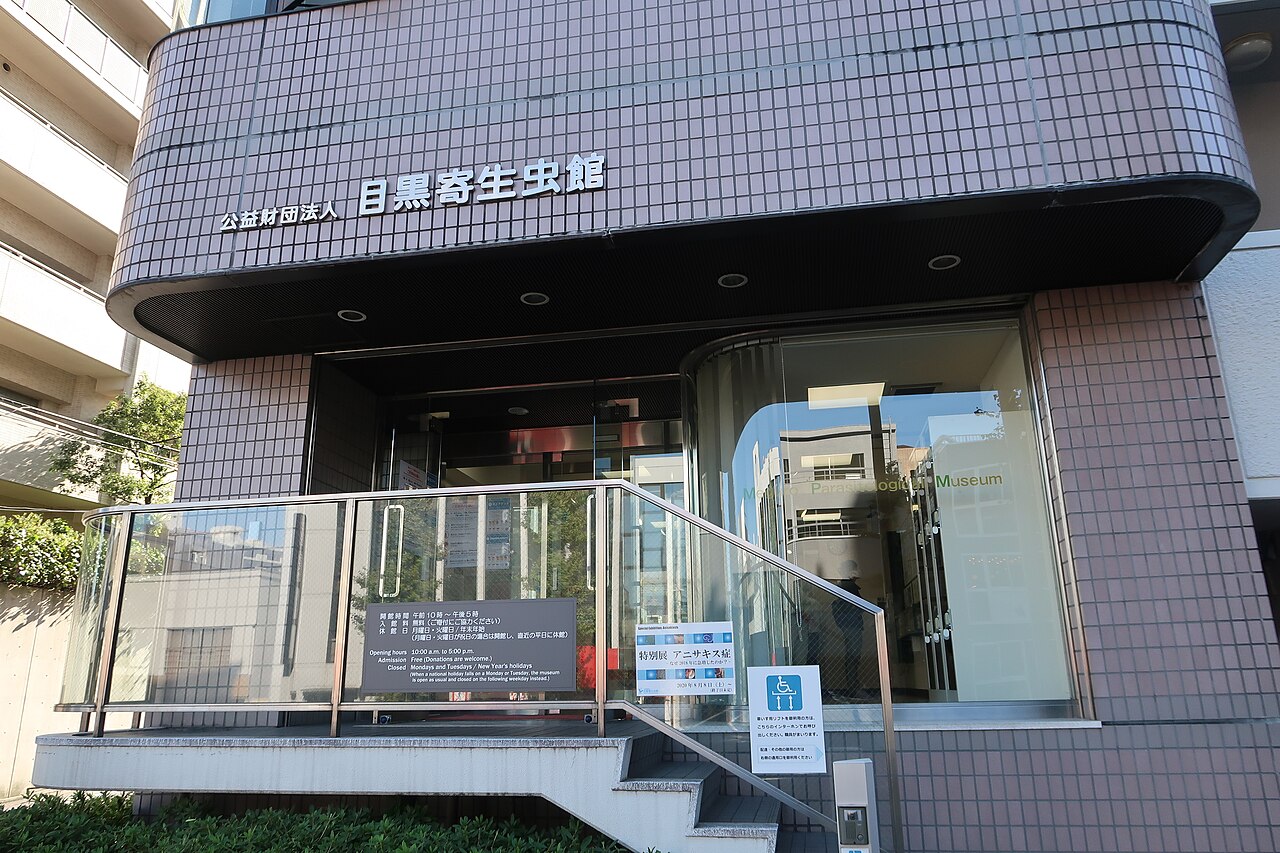
Tokyo has a museum devoted to parasites, and admission is free. At the Meguro Parasitological Museum, roughly 300 specimens and related objects introduce organisms that usually remain out of sight. One especially memorable exhibit is an 8.8-metre tapeworm. The museum’s introduction · Its tapeworm history
The length gives you a reason to look. The more interesting question is why someone decided to collect, preserve and study these animals in the first place.
Research note: This guide uses museum information checked on October 9, 2026. We have not visited in person.
Why does Tokyo have a parasite museum?
Medical doctor Satoru Kamegai founded the museum in 1953 with his own funds. It still has a research role: its scientists study parasites’ forms, classification and distribution, and publish their findings. The museum reports a collection of about 60,000 parasite specimens, including material used to define species. The small public display represents only part of that work. Museum history and research
That background changes how to read the jars. You are looking at material that can help identify and compare living things, as well as displays designed to explain them to visitors. The institution’s work connects a public museum with the less visible tasks of collecting, documenting and keeping scientific material.
What will you see?
The museum opens two floors to visitors. Start with the first floor’s theme, parasite diversity, then continue to the second floor’s focus on parasites affecting people. The order gives the visit a wider biological setting before it turns toward infection and human health. Other floors contain research rooms, literature and specimen storage; the operator says these are closed to general visitors and there are no backstage tours. Permanent exhibition guide
The 8.8-metre specimen belongs to that history of study and preservation. The museum’s timeline records its removal and the start of its display in 1986. Explanations of parasite life cycles provide the biological context for the specimen’s remarkable length. Operator’s historical timeline
This is a useful choice if you enjoy natural-history collections, specialist museums or the question of how scientists make unfamiliar organisms understandable. Expect preserved specimens and explanations of human infection when deciding whether the subject suits your group.
Admission, hours and how long to allow
| Practical detail | Operator information checked October 9, 2026 |
|---|---|
| Admission | Free; donations welcome |
| Normal opening hours | 10:00–17:00 |
| Normal closed days | Monday and Tuesday, plus year-end/New Year closures |
| Holiday exceptions | National holidays can change the normal closure pattern; check the calendar for your date |
Use the museum’s English homepage and calendar before travelling, particularly around public holidays. Do not assume a holiday week follows the usual Monday–Tuesday pattern.
The operator gives an average viewing time of 30–40 minutes. Treat that as a planning estimate and leave longer if you like reading closely. 17:00 is the time to finish and leave. Groups of six or more need to arrange their visit in advance. Japanese visitor information
Getting there and reading the displays
The museum is at 4-1-1 Shimomeguro, Meguro-ku, Tokyo. The operator gives a 12-minute walk from Meguro Station’s west exit, marked Nishi-guchi or 西口. Meguro is served by the JR Yamanote, Tokyo Metro Namboku, Toei Mita and Tokyu Meguro lines. The museum has no parking and asks visitors to use public transport. Official directions
For English help, the museum lists multilingual text guides accessible by QR code, with free Wi-Fi available. Its second-floor shop also lists an English guidebook. These resources can help you follow the collection; they do not promise an English-speaking guided tour. Text-guide information · Museum shop and guidebook
Can you take photographs?
The museum permits personal photographs and video, while banning tripods, selfie sticks and livestreaming. Its English policy requires prior notification if you wish to publish photographs in any media, and permission for commercial use of images taken inside. A personal-photo allowance does not establish permission to use exhibition images in an article or promotional post. The Japanese visitor page prohibits commercial use of interior images and directs press enquiries to the museum. Read both pages and contact the museum before planning publication.
Keep food and drinks outside the galleries, and do not touch specimens or display cases. If you need the wheelchair-accessible lift, use the intercom to call staff; an accessible toilet is on the first floor. Museum manners · Accessibility information
If focused museums appeal to you, Yokohama’s Cup Noodles Museum follows an everyday food through invention and design. Farther away in Shimane, Nima Sand Museum connects a giant hourglass with a coast’s singing sand. Find more places and their background in Curious Japan.
Exterior entrance, November 5, 2020. Photo: Miyuki hirai / Wikimedia Commons, CC BY-SA 4.0. The 1280px thumbnail is used unchanged and displayed in a cropped frame.
