Today I Learned
Tokyo Fire Museum: Edo Firefighters, Engines and Helicopters
Visit Tokyo's free Fire Museum in Yotsuya: Edo firefighting, vintage engines, helicopter exhibits, subway access and important closure dates.
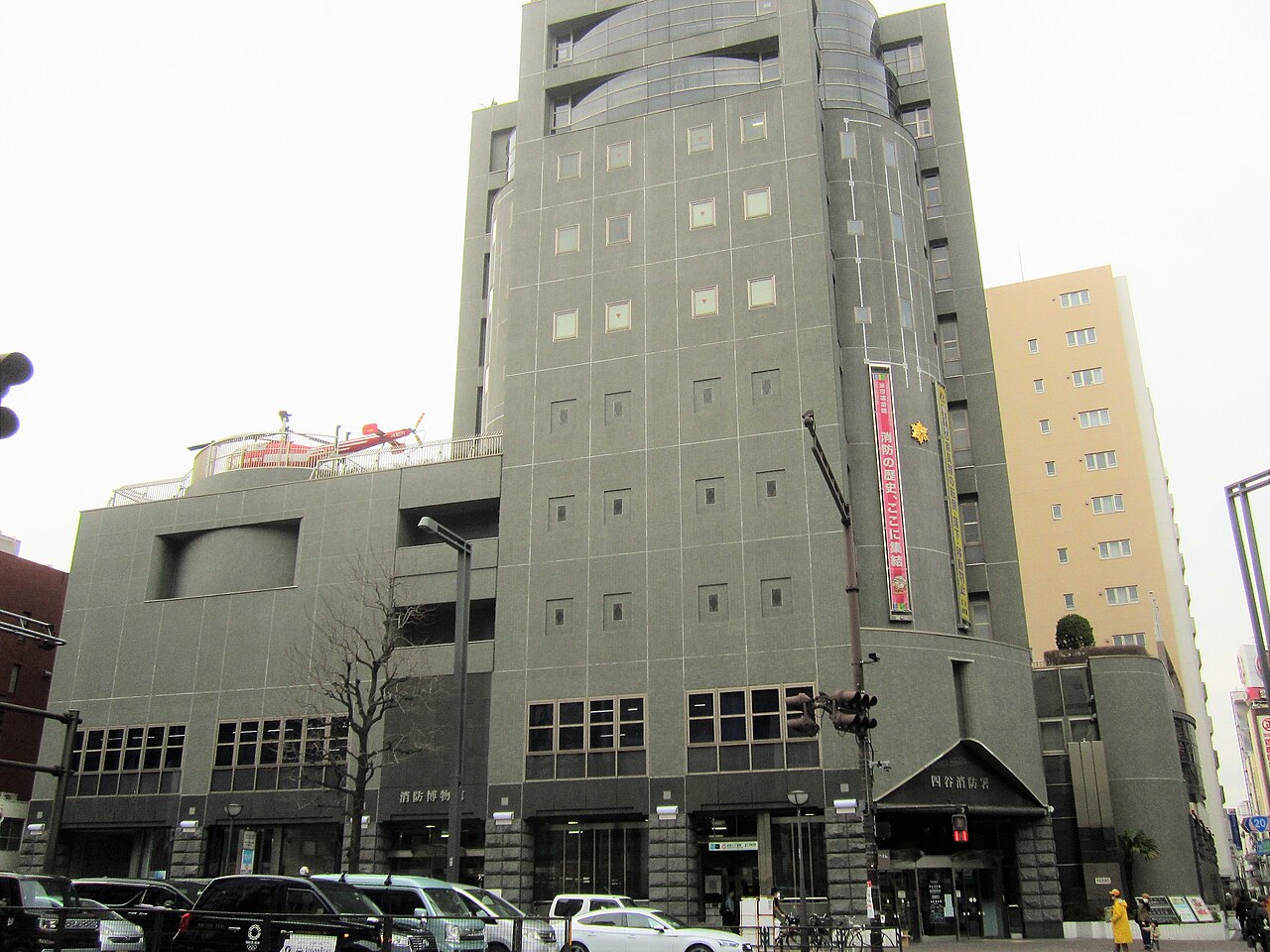
Tokyo’s Fire Museum in Yotsuya is free to enter and brings together Edo-period firefighting tools, historic fire engines and helicopter exhibits. It is directly connected to Exit 2 of Yotsuya-sanchome Station on the Marunouchi Line. The objects tell a story about how the city learned to fight fire, from working among wooden houses to moving equipment through modern streets. Tokyo’s official visitor guide · Museum FAQ
Apparently, understanding an old fire brigade begins with a surprising question: why did it need people who were good at taking buildings apart?
Maintenance closure: the museum announces closure from October 19 through October 26, 2026. Check its dated closure notice before travelling. Regular opening hours do not override this notice.
Research note: Official sources checked October 18, 2026. We have not visited, boarded an exhibit or tested an accessible route.
Why Edo’s firefighters pulled down houses
Edo, the city that became Tokyo, had closely packed wooden buildings and a serious fire problem. Tokyo’s cultural-history guide explains that hikeshi, its firefighting organisations, included workers skilled at moving around roofs. They could dismantle nearby buildings to interrupt the route a fire would otherwise take. That method is called hakai shōka, or demolition firefighting. Tokyo’s explanation of hikeshi
Think about the tools with that purpose in mind. A hook is easier to understand when the task includes pulling something down, rather than simply spraying water at it.
Nor was there one simple brigade running every fire. The Edo-Tokyo Museum’s research service distinguishes shogunate-controlled units, daimyo units and townspeople’s brigades, with different chains of command. Its answer also notes that disputes could occur during major fires. The history is more complicated than a single heroic organisation. The museum’s researched explanation
Read the museum from tools to vehicles
The operator divides the main historical displays like this:
| Floor | What to look for |
|---|---|
| 5F | Edo-period firefighting and a street-scene diorama |
| 4F | Changes in equipment from the Meiji period into the early Showa years |
| 3F | Modern firefighting and emergency services |
| B1 | Seven historic fire engines |
Starting with the older methods gives the machines a useful context. Instead of asking only which truck looks best, compare what people could carry, how they reached a fire and which parts of a machine appear designed around the roads it used.
One especially good detail is in the museum’s Ahrens-Fox pumper record. Imported from the United States in 1924, it had a pump at the front, solid front tyres and no front windscreen. The museum connects those choices to rough roads and concern about glass breaking when struck by stones. Something that initially looks unfinished turns out to have a practical explanation. Ahrens-Fox collection record
The Isuzu-Metz ladder truck offers a different reading exercise. Its record describes a replacement chassis fitted in 1959 and a mechanism that could extend the ladder horizontally on a sloping road. Look for evidence that a working vehicle could change during its life, rather than treating the date of its first service as the date of every component. Isuzu-Metz collection record
These English-language records are useful before a visit. The operator links to an English collection database; a collection entry is a research aid, rather than a guarantee that every object is accessible that day.
Can you sit in the helicopters?
The museum’s FAQ says visitors can board the helicopter exhibits on 3F and 5F. The basement vehicles are for viewing only. Follow the instructions at each display instead of assuming every cab is open. Museum FAQ
The 5F helicopter is outdoors. Rain, snow, thunder, strong wind, a Tokyo heatstroke alert or unsafe terrace conditions can close it. Treat it as a possible part of the visit, with the indoor displays as the more reliable plan. Operator’s outdoor-access conditions
We have not confirmed live exhibit availability or waiting times. A photograph of someone in a cockpit does not establish access on your travel date.
Plan the visit
| Detail | Current published information |
|---|---|
| Admission | Free |
| Regular hours | 9:30–17:00; last admission 16:30 |
| Regular closures | Mondays, with holiday exceptions; December 29–January 3 |
| Individual visitors | No reservation required |
| Address | 3-10 Yotsuya, Shinjuku, Tokyo |
| Subway | Yotsuya-sanchome, Marunouchi Line, Exit 2 |
Sources: operator’s visitor information and GO TOKYO. Special maintenance closures also apply, including the October 19–26 notice above.
For a group of 10 or more, use the operator’s group arrangements. Its FAQ distinguishes a roughly 60-minute full tour from a 10-minute overview; English guided-tour availability has not been confirmed. Tour descriptions
Travel light: the operator prohibits large luggage such as suitcases. Leave your bags elsewhere before visiting; we have not verified storage. Visitor rules
GO TOKYO lists lifts, a wheelchair-accessible lift, a multipurpose toilet, baby-changing facilities and a breastfeeding room. We have not checked a continuous step-free journey from a particular train platform to every exhibit. Consult Tokyo Metro’s station information and ask the museum about your needs. Listed museum facilities
Food, photography and a sensible pace
The 10F lounge permits visitors to eat food they bring. The FAQ says drinks are sold from vending machines, but food is not sold; take your rubbish away. That makes a planned snack break possible without assuming there is a café. Museum FAQ
We did not establish a museum-wide photography or video policy from the current visitor pages. Check signs and ask staff before photographing exhibits, using a tripod or filming. Permission to sit in a helicopter is a separate question from permission to record or publish images there.
For a first visit, choose a few objects and follow their explanations. The missing windscreen or the ladder’s relationship with a sloping road can make a stronger memory than a rushed photograph of every vehicle. Our recommendation is to leave room to change the plan if a hands-on exhibit is unavailable.
If that way of looking at infrastructure appeals, G-Cans’ underground flood-control chambers offer another researched story about protecting a city, with their own booking rules. For a very different free specialist museum in Tokyo, read our Meguro Parasitological Museum guide. Plan these as separate visits.
Yotsuya Fire Station and Tokyo Fire Museum, photographed in February 2020. Photo: Suikotei, via Wikimedia Commons, CC BY-SA 4.0. Wikimedia resized image; source JPEG unchanged. Display crop and colour adjustments.
