Today I Learned
TOTO Museum Kitakyushu: Toilets, Tableware & How to Visit
Why does a toilet maker display dinner plates? Visit Kitakyushu's free TOTO Museum for ceramics, plumbing history and practical booking advice.
Apparently, a Japanese toilet maker has a museum where the dinner plates deserve your attention, too.
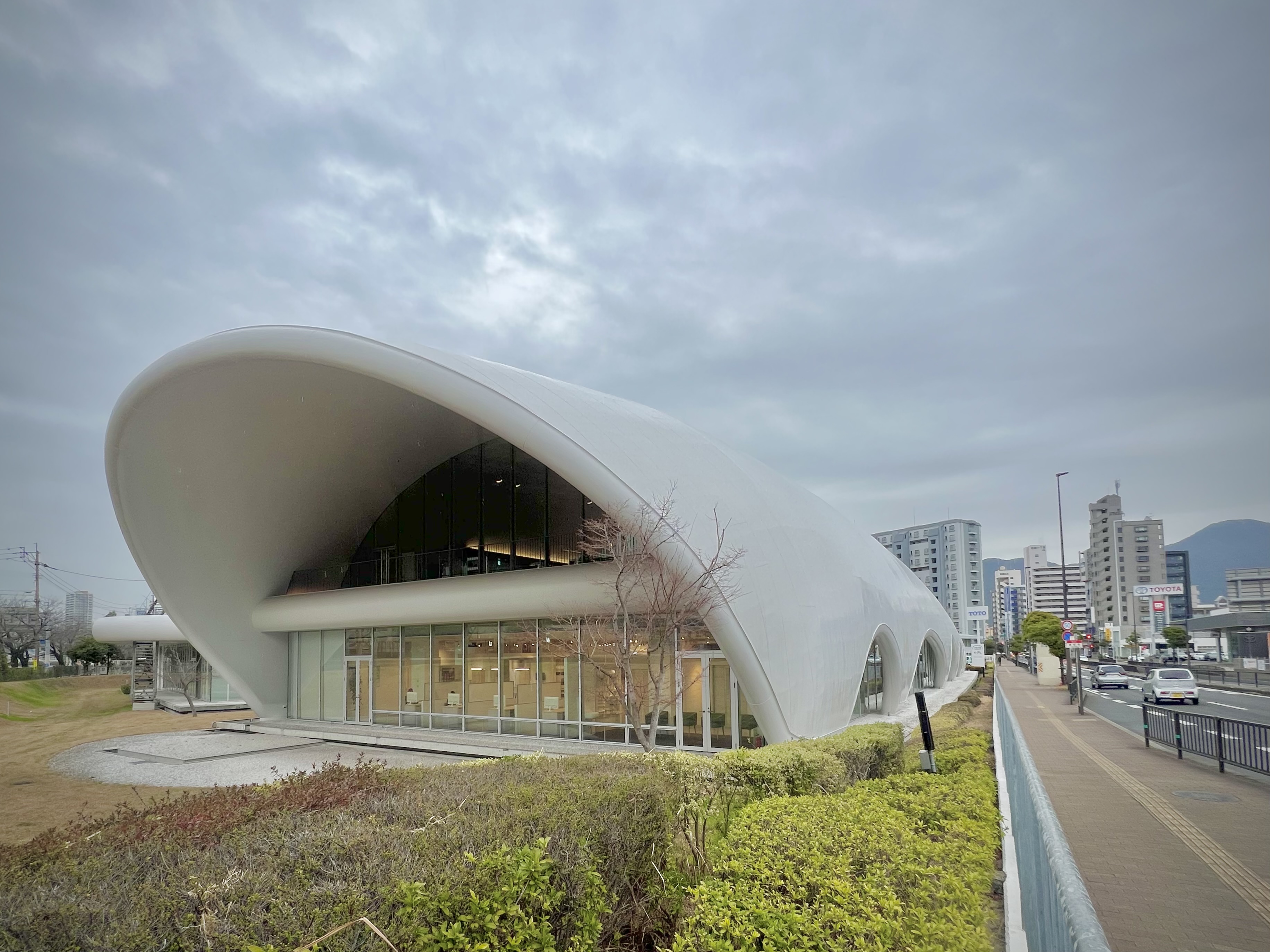
The TOTO Museum in Kitakyushu, Fukuoka Prefecture, is a free museum about the company’s ceramics and plumbing history. An ordinary self-guided party of 19 people or fewer, arriving without a chartered bus, normally needs no reservation. Allow around an hour, and check the opening day before travelling. Visitor information · Reservation conditions · Visit length
The interesting question here is how an everyday object becomes an industrial product. TOTO’s story connects the bathroom to the dining table, the kiln and, eventually, electronics. You can follow that thread without shopping for a new bathroom.

Why are there dinner plates in a toilet museum?
TOTO’s own exhibition guide says its tableware business supported the company for roughly half a century, ending in 1970. The displays include deep-blue ceramics and a plate about one metre across, made for a department-store display. This was a sustained business alongside the sanitary ware, rather than a novelty souvenir range. TOTO’s exhibition guide
That gives the visit a useful starting point: look at the material before the function. A plate and a toilet have very different jobs, but both ask a manufacturer to shape, glaze and fire ceramics reliably. The museum’s production displays then extend the question to the metal fittings and electronic components assembled into modern bathroom products. Manufacturing displays
Following the materials gives the displays a connecting thread, even when a particular product’s function is unfamiliar.
What can you see inside?
The museum galleries are on the second floor. The official English guide divides the main display into three rooms:
- Room 1: the company’s roots, tableware and the journey from development to manufacturing and packing.
- Room 2: the development of sanitary ware, faucets and WASHLET products, including items from notable buildings.
- Room 3: products presented by the overseas regions where TOTO operates.
There is also a library and a special-exhibition room. These are useful orientation points, rather than a promise that a particular temporary show will be running on your date. Official English gallery guide
TOTO was founded in 1917. The museum opened in August 2015, ahead of the company’s centenary in 2017. It stands on the company’s headquarters and Kokura First Factory site. The public museum visit does not establish permission to enter production areas or join a factory tour. Opening history · Museum background and location
It is also a company museum: the interpretation presents the manufacturer’s own history and priorities. We would use it to investigate design and production, rather than treat its displays as an independent comparison of bathroom brands.
Opening hours, admission and reservations
| Question | Published visitor information |
|---|---|
| Admission | Free |
| Normal hours | 10:00–17:00; last entry 16:30 |
| Regular closure | Monday, including public-holiday Mondays |
| Other closures | Summer and year-end/New Year closures; confirm the intended day |
| Ordinary independent visit | Self-guided, 19 people or fewer, no chartered bus: normally no advance reservation |
| Guided visit, 20+ visitors or a chartered bus | Follow the museum’s advance-booking arrangements |
Hours and closures were checked on 5 November 2026. They are the regular published schedule, not confirmation of every future date. TOTO visitor information
For winter planning, the official upcoming exhibition schedule lists a closure from 26 December 2026 through 4 January 2027. Reconfirm your intended visit date with the museum.
For visits requiring reservations, the application window starts on the first day of the month three months before the visit and ends two weeks before it. Free admission does not make a guided course available on arrival. Consult the official reservation website for your group’s arrangements.
The operator warns that school groups can make weekday mornings from May to December busy, except during the school summer holiday. That includes November; it does not establish that every afternoon is quiet. Official crowding notice, 2 June 2026
Can you visit in English?
Yes: the current Japanese exhibition page describes English explanations through a smartphone QR audio service. Bring a phone and earphones. Foreign-language guided tours are not offered, so do not book a Japanese guided course expecting an English-speaking guide. QR explanations · Language FAQ
The English overview still mentions loan audio pens. Because the official pages describe different systems, plan around the QR service and ask reception about any equipment available that day. English overview
Getting there from Kokura
The address is 2-1-1 Nakashima, Kokurakita-ku, Kitakyushu. Fukuoka Prefecture’s official travel guide gives an approach from Kawaraguchi Mihagino Station’s south exit, followed by about a 10-minute walk along National Route 3. Its alternative is approximately 10 minutes by taxi from Kokura Station’s Kokurajo Exit; traffic can change that estimate. Official prefectural access information
Use a current route search for your departure time. We have not checked a particular train, fare or an uninterrupted step-free route from the station, so the walking estimate should not be treated as an accessibility assessment.
Photographs and mobility equipment
Photography and video are generally allowed outside marked restrictions. Tripods and selfie sticks are prohibited; avoid including other visitors or staff. Accessible toilets are listed on the first and second floors, while loan wheelchairs are limited and cannot be reserved. House rules and facilities · Photography FAQ
The museum distinguishes permitted power wheelchairs from prohibited handlebar-style mobility scooters. Ask about your specific equipment and assistance needs before travelling; the published distinction alone does not establish dimensions, transfer assistance or a complete accessible route. Official course and access conditions
More everyday Japan to investigate
For another Kitakyushu story, our Kanmon pedestrian tunnel guide explains walking beneath the strait. It needs its own transport planning; it is not the next stop on foot from the museum.
If industrial structures interest you, Shime’s coal-mine winding tower offers an exterior-focused alternative elsewhere in Fukuoka Prefecture. For smaller things to notice between destinations, start with 30 details on a first Japan trip.
Research note: This guide is based on the linked operator and prefectural sources, checked on November 5, 2026. We have not visited, booked a course, tested the products or verified a complete step-free route. Reconfirm the museum schedule and your transport for the date you plan to visit.